
Shawn Freeman
CEO

Is your business prepared for the next wave of it audit challenges in 2026? Cyber threats are multiplying, and regulations are changing faster than ever, putting your data and reputation at risk.
Even small gaps in your IT systems can lead to big financial losses or shake customer trust. Mastering it audit is now essential for protecting sensitive information, building confidence, and streamlining operations.
This guide breaks down what every business leader needs to know about it audit in 2026. You’ll discover the latest trends, step-by-step processes, compliance updates, best practices, and tools that make audits easier for companies of any size.
Whether you’re an IT professional, a business owner, or part of a compliance team, you’ll find practical strategies to safeguard your business and reduce stress. Let’s get you set up for audit success—no matter what the future brings.
The world of it audit is changing at lightning speed as we look toward 2026. Cyber threats are growing more complex, and businesses large and small are feeling the pressure to keep up. High-profile breaches, new work models, and rising customer expectations are pushing IT leaders to rethink their approach. Let’s break down what’s driving these changes and how you can stay ahead.

Recent years have seen a surge in ransomware and supply chain attacks, with 2025 alone reporting a 35% jump in breaches. The spread of cloud and hybrid work setups means the it audit scope now covers more ground than ever. AI-powered threats are emerging, so businesses need clear AI governance in their controls.
Regulations are piling up: GDPR, CCPA, HIPAA, PCI DSS, and new local standards are making compliance a moving target. On top of that, clients and partners want proof of your security posture before they trust you. For small businesses, these trends mean the stakes are higher, but with the right strategy, you can turn risk into opportunity.
Keeping up with compliance is now a core part of any it audit. Frameworks like SOC 2, ISO/IEC 27001:2022, NIST 800-53, CMMC, HIPAA, and FedRAMP set the rules of the road. Expect stricter data retention and classification requirements in 2026, along with expanded privacy mandates.
Regulators are raising the bar, and the cost of falling short is steep. In 2025, the average fine for a data breach topped $4.5 million. A quick comparison table highlights some major frameworks:
| Framework | Focus | Update Trend |
|---|---|---|
| SOC 2 | Data Security | More automation |
| ISO 27001 | Information Mgmt | New controls |
| HIPAA | Health Data | Privacy updates |
Staying ahead of these changes can protect your business and build customer trust.
An it audit is more than a compliance checkbox, it’s a lifeline for business continuity. Imagine a scenario where a company uncovers gaps in its backup process during an audit, then avoids costly downtime when disaster strikes.
Whether you’re a small business or a global enterprise, regular audits show clients and partners you take security seriously. For a deeper dive on building resilience, check out our guide to IT service continuity management.
Audits help you spot weak links before they become business disruptors, saving time, money, and stress.
Technology is making it audit smarter and faster. Automation tools now handle controls testing and reporting, freeing up your team for higher-value work. Continuous auditing and real-time monitoring are replacing old-school annual reviews.
AI and machine learning are spotting anomalies in vast data sets, catching risks that humans might miss. Vulnerability scanning and automated compliance checks are now standard, helping businesses of all sizes keep pace with threats.
Staying current with these tools gives you an edge, especially if you want to support Macs, Google Workspace, or need flexible, no-contract solutions. Always Beyond’s human-first approach means you get the tech without the headaches.
A modern it audit is more than a checklist—it's a strategic process that protects your business, builds trust, and keeps you ahead of evolving threats. Let’s break down the essential building blocks every organization needs to master for a successful it audit in 2026.
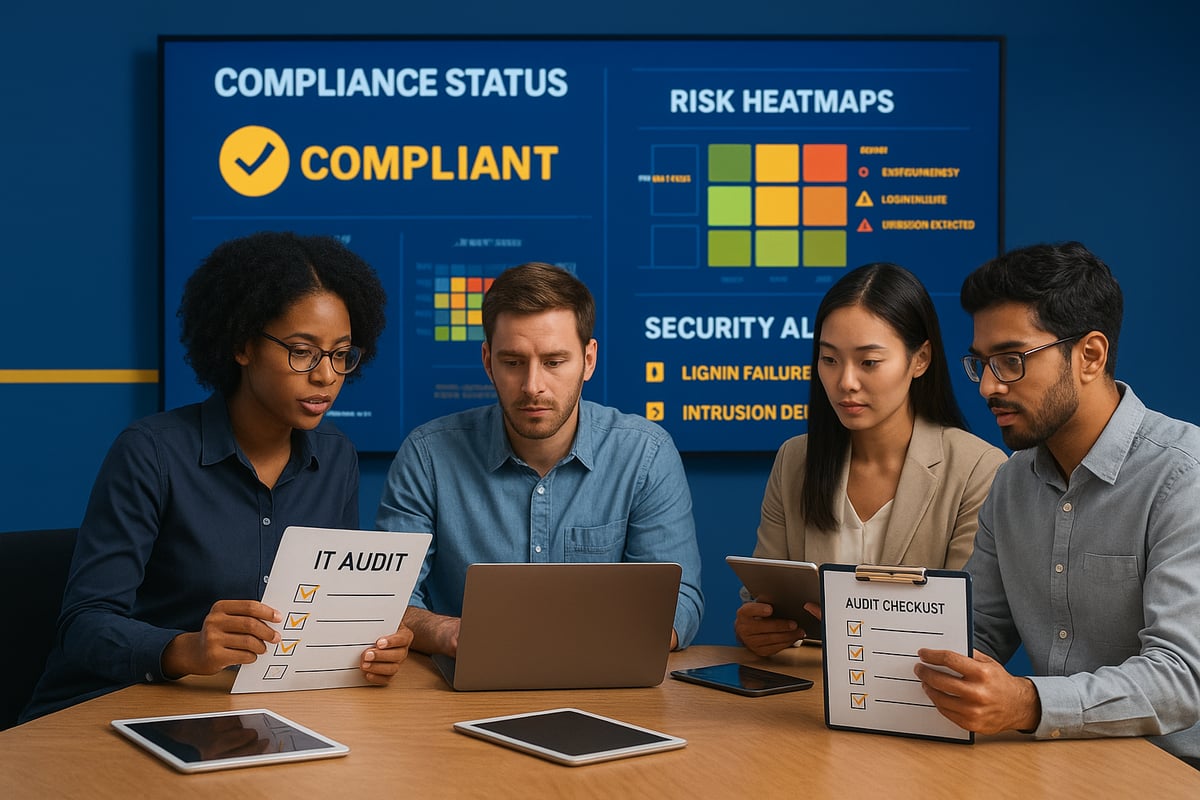
Every successful it audit starts with a clear purpose. Are you focused on regulatory compliance, improving security posture, or boosting operational efficiency? Start by aligning your audit goals with your unique business risks and the regulations you must meet.
For example, if your business handles sensitive customer data, prioritizing those systems in the audit scope is critical. Use asset inventories and network diagrams to identify high-risk areas. If you’re unsure where to begin, a cybersecurity risk assessment guide can help clarify your priorities and highlight potential blind spots.
Involve stakeholders early, including IT, compliance, and business leaders. This ensures everyone is on the same page and the it audit delivers actionable results.
There are several types of it audit, each serving a different purpose. Compliance audits—such as SOC 2, HIPAA, or PCI DSS—focus on meeting industry standards. Controls assessments look at your internal processes to spot vulnerabilities before attackers do.
Specialized audits are becoming more common, especially for cloud security, data privacy, and AI/ML governance. For instance, a cloud security audit might uncover misconfigured storage buckets, while an AI governance audit checks for algorithmic bias or data leakage.
Choosing the right type depends on your business needs and risk profile. Small businesses often start with compliance or basic controls, while larger organizations may need specialized it audit support.
What should your it audit examine most closely? The answer depends on your environment, but there are common focus areas:
A thorough it audit will check each of these, often using automated tools and checklists for efficiency. Identifying gaps here can prevent costly downtime and strengthen your long-term resilience.
An it audit can be performed by internal teams, external specialists, or a mix of both. Internal auditors are great for regular check-ins and risk monitoring since they understand your business context. However, external auditors bring independence and are often required for certifications or client assurance.
For example, a small business might use internal IT staff for quarterly reviews but bring in a third-party for a SOC 2 certification. Always ensure your auditors are objective and maintain transparent documentation throughout the process. Rotating teams and using outside experts when needed helps avoid bias and keeps your it audit credible.
Embarking on an IT audit in 2026 means navigating a landscape filled with emerging threats, new regulations, and evolving business needs. The process is more than just checking boxes—it’s about building resilience, trust, and efficiency for your business. Let’s break down the modern IT audit process into eight actionable steps, making it achievable for businesses of any size.

Every successful IT audit starts with careful planning. Define the audit’s scope, objectives, and what success looks like—whether that’s passing a compliance check or reducing risk. Gather your key stakeholders, assemble your audit team, and collect all relevant documentation, such as policies, network maps, and asset inventories.
Set a clear timeline and create a communication plan so everyone knows their role. For small businesses, this upfront work can prevent costly last-minute surprises. Always Beyond’s human-first approach ensures that your team feels supported throughout the process, making audits less stressful and more productive.
Identifying and prioritizing risks is at the heart of any IT audit. Pinpoint the threats most likely to impact your business, from cyberattacks to insider risks or compliance gaps. Use recognized frameworks like NIST or COBIT to guide your assessment, and leverage tools that highlight areas needing attention.
For example, if your team shifted to remote work, cloud infrastructure might become a higher priority. SMBs often overlook risks unique to their size—see our Top SMB cybersecurity risks for more insights. With Always Beyond, you get Mac and Google Workspace expertise, ensuring the risk assessment fits your real-world environment.
Next, dive into evaluating your technical and administrative controls. This step in the IT audit checks that firewalls, endpoint protection, and access management tools are working as intended. Review policies, user training programs, and change management processes to ensure they’re up to date.
Don’t forget physical security—are server rooms properly locked? Document everything with evidence. Regular controls evaluation reduces the risk of overlooked vulnerabilities and keeps your systems compliant, saving you time and money in the long run.
Now, map your policies and practices to the relevant standards, such as SOC 2, GDPR, or HIPAA. This IT audit step helps you spot compliance gaps or partial implementations before they become costly penalties.
For instance, you may discover that your data retention policy doesn’t fully align with new privacy mandates. By catching these issues early, you can remediate them proactively. Always Beyond’s no-contract flexibility lets you adjust your compliance strategy as regulations evolve, keeping your business ahead of the curve.
This is where you put your defenses to the test. Run vulnerability scans and, where appropriate, simulate cyberattacks. Analyze the findings to identify common issues like unpatched systems or weak passwords.
Prioritize fixes based on risk impact. For example, a missed patch on a critical server is a bigger threat than an outdated printer. Small businesses often lack in-house expertise for this IT audit phase, but Always Beyond’s tailored support ensures your unique needs are met, reducing risk without overwhelming your team.
A clear, actionable report is the backbone of the IT audit process. Summarize major findings in an executive summary, then break down issues by severity: material weaknesses, significant deficiencies, or general observations.
Use visuals like heatmaps or dashboards to make the data easy to digest for non-technical stakeholders. Actionable recommendations help you address issues efficiently. Our clients appreciate Always Beyond’s transparent reporting style, which turns technical findings into business-friendly next steps.
Once you have your IT audit report, it’s time to act. Build a remediation roadmap with clear timelines and accountability. Assign specific owners for each action item and prioritize fixes based on business risk.
Schedule follow-up audits or set up continuous monitoring to ensure issues are truly resolved. This approach minimizes downtime and helps maintain compliance. Always Beyond’s ongoing support means you’re never left on your own—we’re here to guide remediation every step of the way.
IT audit is not a one-and-done event in 2026. Move from annual reviews to continuous audit cycles where feasible. Implement real-time monitoring and automated alerts to catch issues before they escalate.
Regularly update your controls and policies to reflect new threats and regulations. For a deeper dive into this shift from periodic checks to ongoing oversight, see GRC Trends for 2026: Continuous Oversight. This mindset empowers you to adapt quickly and stay compliant, reducing stress and maximizing ROI.
Ready to make your next IT audit a success? Always Beyond offers a free consultation to help you get started—no contracts, just expert advice tailored to your business.
Preparing for an effective it audit in 2026 means more than just checking boxes. It demands a blend of technical know-how, strong communication, and staying current with changing standards. Let’s break down the essentials your team needs to succeed.

To carry out a thorough it audit, your team needs sharp technical and analytical abilities. Proficiency with data analysis tools like Excel, Power BI, or SQL helps transform raw audit data into actionable insights. Understanding networks, cloud environments, and cybersecurity basics is crucial, especially as threats and systems evolve.
Automation is now a must. Audit management tools streamline evidence collection and reporting, saving time and reducing errors. As highlighted in Gartner's 2026 Audit Plan Hot Spots, internal auditors are focusing on cybersecurity vulnerabilities, data governance, and regulatory compliance. This shift means technical skills must keep pace with new risks and standards.
An it audit is never just about technology. It’s about people, too. Critical thinking and attention to detail help auditors spot subtle risks that might otherwise go unnoticed. Strong communication ensures findings are clear, actionable, and understood by everyone from the IT team to business leadership.
Project management skills are essential for keeping the audit on track. Scheduling, resource allocation, and milestone tracking allow teams to meet deadlines and avoid last-minute stress. Collaboration across departments ensures the it audit covers every critical area.
Every successful it audit hinges on a solid understanding of compliance standards. Familiarity with SOC 2, ISO 27001, HIPAA, and other frameworks helps auditors map business practices to regulatory requirements. Risk assessment skills are equally vital, enabling teams to evaluate controls, document evidence, and spot gaps.
Translating technical findings into business risks is a skill that builds trust with leadership. For example, highlighting how a missing patch could expose sensitive customer data makes the it audit more relatable and urgent for decision-makers.
Continuous learning is key in the fast-changing world of it audit. Industry certifications such as CISA, CISSP, CISM, and ISO 27001 Lead Auditor not only validate expertise but also keep auditors up to date. Online courses, webinars, and joining professional organizations offer ongoing opportunities to learn about emerging threats and best practices.
Regular training ensures your team can adapt quickly to new regulations and technology. Investing in education helps your it audit process stay resilient, effective, and aligned with business needs.
Staying ahead in the it audit world means building habits, not just ticking boxes. Let’s break down the essentials for a successful it audit in 2026 that keeps your business resilient, trusted, and a step ahead of threats.
A risk-based it audit plan lets you focus where it matters most. Start by identifying your business’s critical assets—customer data, payment systems, proprietary info. Next, consider the biggest risks: cyberattacks, regulatory changes, or even accidental data loss.
Prioritize high-risk areas for deeper review. For example, a fintech company should scrutinize customer data protection, while a retailer might focus on payment processing. This approach saves time and money, and helps you catch issues before they become disasters. Remember, regulators and customers expect you to know your risks and show you’re managing them proactively.
The credibility of your it audit rests on the independence of your auditors. Internal teams are great for ongoing checks, but for major certifications or when trust is on the line, bring in third-party experts. This helps avoid conflicts of interest and gives your clients, partners, and regulators extra confidence.
Rotate internal audit teams regularly to keep perspectives fresh. Document every step and keep communication open—transparency builds trust and makes it easier to resolve findings. Small business owners especially benefit from impartial reviews, as they reveal blind spots and provide assurance to customers.
Modern it audit processes rely on smart technology. Automated tools can test controls, run vulnerability scans, and track compliance in real time, saving hours of manual work. Continuous monitoring means you’re not just checking the box once a year—you’re always watching for issues.
According to ISACA's 2026 Tech Trends & Priorities Pulse Poll, tech leaders are prioritizing automation and real-time monitoring to stay ahead of AI-driven threats and compliance risks. Set up dashboards to alert you to failed backups or unauthorized access, so you can act before small problems become costly incidents.
A successful it audit isn’t just about technology—it’s about people. Make security and compliance part of your team’s daily routine. Regular training empowers employees to spot and report risks early. Encourage open conversations about mistakes or suspicious activity without blame.
Integrating audit findings into your ongoing IT strategy helps your business adapt and thrive. For a practical, stress-free approach to building a resilient culture, check out Cybersecurity without scare tactics, which offers actionable steps that go beyond fear and focus on real improvement.
Even the most thorough it audit comes with limitations that can affect the accuracy and scope of your results. Understanding these challenges helps business owners and IT teams set realistic expectations and build better risk management strategies.
An it audit often relies on sampling, not full-scale testing. This means only a subset of systems, processes, or records is reviewed. While efficient, this approach can miss rare or emerging threats, especially in fast-changing environments.
Small businesses may focus audits on their most critical assets, but that leaves less obvious systems or third-party tools unchecked. For example, shadow IT or legacy applications can harbor vulnerabilities that slip through the cracks.
When the scope is too narrow, vital areas like cloud storage, vendor integrations, or remote endpoints might be excluded. This can lead to a false sense of security after the it audit is complete.
The findings from an it audit reflect a single moment in time. However, technology and threats evolve rapidly. New risks may emerge just days after your audit wraps up.
For busy organizations, this is a real pain point. A system that passes today could be exposed tomorrow due to a software update or a new business process. This makes annual or infrequent audits less effective for long-term protection.
Continuous monitoring and more frequent it audits are needed to keep pace with constant change. Otherwise, gaps in security or compliance may go unnoticed until it's too late.
An it audit is only as strong as the data and people behind it. Auditors depend on information provided by the business, which may be incomplete or outdated. Sometimes, documentation is missing, or systems are misrepresented.
Human error is another challenge. Employees might unintentionally omit important details, or overlook risky practices. Insider threats and unreported incidents can also escape detection during an audit.
These factors can undermine the value of your it audit, especially for small businesses without dedicated compliance staff. Building a culture of transparency and accurate reporting is crucial.
No single it audit can catch every risk, but combining multiple strategies increases your protection. Integrate audits with regular risk assessments, penetration testing, and ongoing monitoring for more resilient security.
For example, using frameworks like AssessITS: Integrating Procedural Guidelines for IT Risk Assessment ensures your risk reviews align with industry standards and cover more ground. Pair audit findings with business continuity planning and incident response exercises to close gaps.
Small businesses benefit from a holistic view—connecting IT, operations, and compliance. This approach keeps your it audit relevant and actionable, helping you stay ahead of threats and regulatory shifts.
After walking through the key steps and trends shaping IT audits in 2026, you might be wondering how your own business stacks up—or where your next risks could be hiding. The truth is, even with the best tools and processes, it’s easy to miss something critical when you’re busy running a company. That’s why I always recommend starting with a quick, no-pressure checkup. You can take our FREE 2 minute IT Security Scorecard and get instant insights—no strings attached. It’s a practical first step to see where you stand and spot easy wins for better security and compliance—no commitment, just peace of mind.
Take our FREE 2-minute IT Security Scorecard and get instant insights—no strings attached.
See exactly how your current IT setup measures up to our Hack Free standards. Enter your business email to receive:
